

/

EuWIGeN NETWORK

In recent years, international institutions such as the OECD, the UN and the European Commission have called for the development of well-being-oriented budgetary frameworks as a means
to ensure more inclusive, equitable, and evidence-based public policymaking
The European Well-being, Infrastructure and Gender Network starting on 2010 to respond to that call by offering a novel contribution to feminist economics: a gender-sensitive budgetary approach grounded in a multidimensional understanding of well-being
NEXT EVENTS
20 FEB 2026
Members meeting
GLASGOW, SCOTLAND
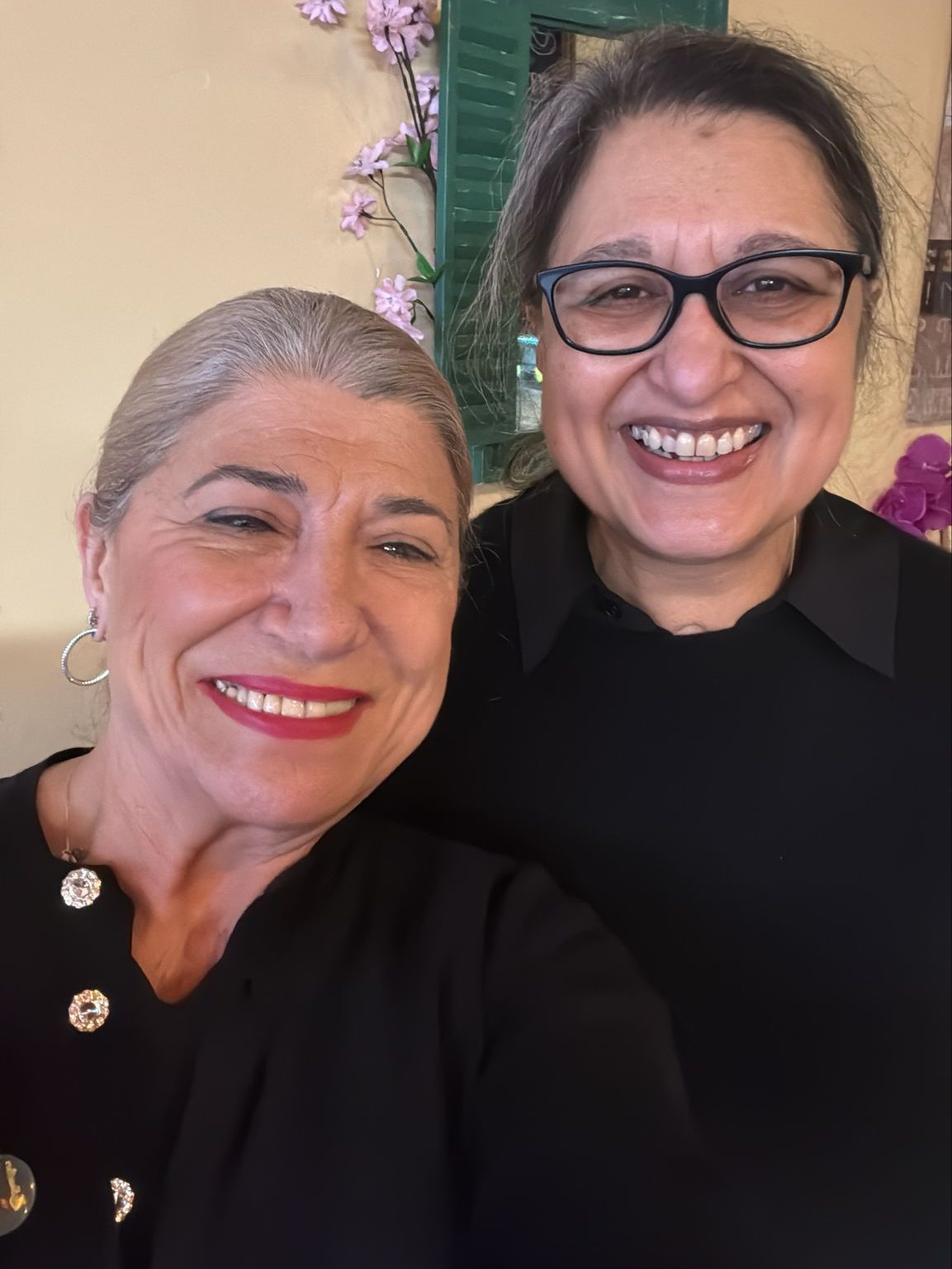
We held a strategic meeting with network members and Satwat Rehman, President of One Parent Families Scotland. The discussions focused on strengthening collaboration, aligning future actions, and advancing our shared commitment to equality.
24 FEB 2026

Mobility as an infrastructure for everyday life
GLASGOW, SCOTLAND
This project examines how everyday mobility in European cities affects people’s ability to balance work, care, and well-being, highlighting inequalities in daily life. It seeks to inform fairer, more inclusive mobility policies by reflecting the lived realities of diverse urban populations. Through collaboration across several European cities, the project develops comparative insights and practical recommendations to support more equitable and socially sustainable urban mobility.
04 MAR 2026
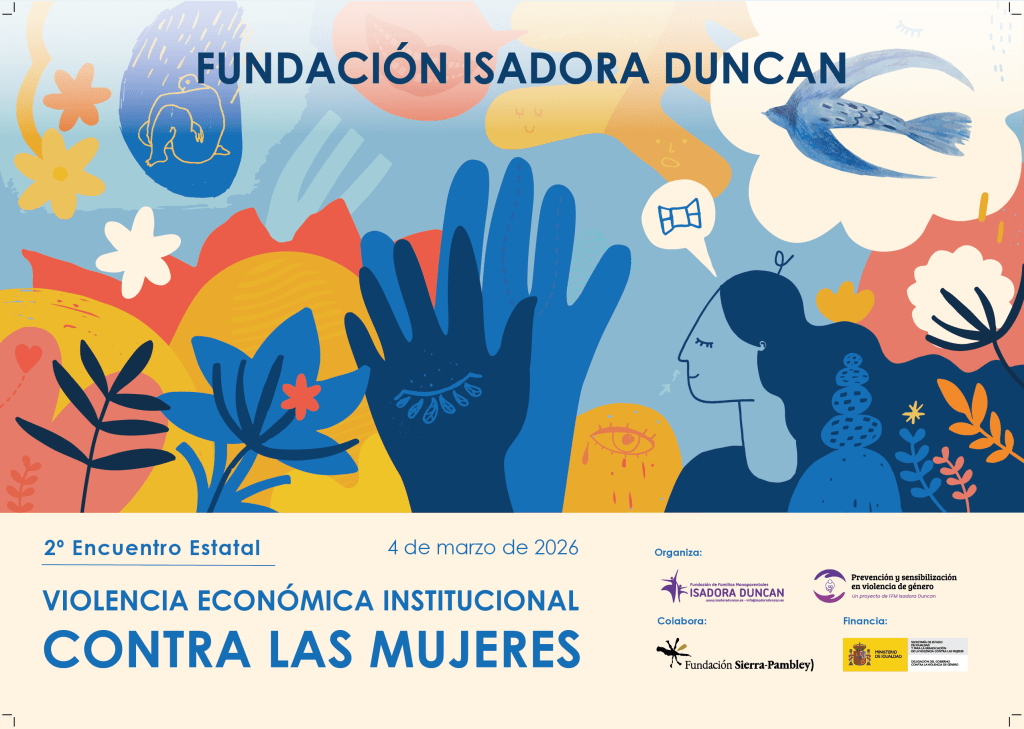
2nd National Meeting on Institutional Economic Violence Against Women
LEÓN, SPAIN
To raise awareness, analyze, and discuss the different forms of institutional and structural economic violence that affect women, focusing on those practices and obstacles that, within institutions themselves, hinder access to fundamental economic rights and perpetuate situations of inequality and economic vulnerability for women.
PAST EVENTS 2025
04 DEC 2025
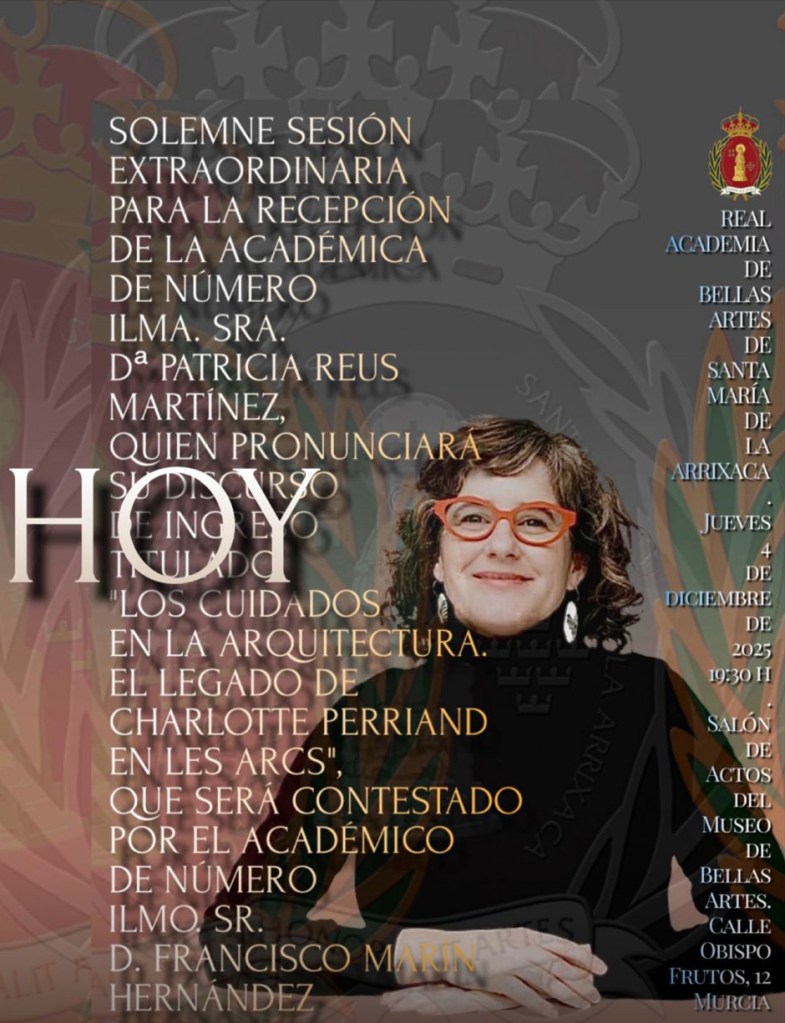
Los cuidados en la arquitectura. El legado de Charlotte Perriand en Les Arcs
MURCIA, SPAIN
Solemn Extraordinary Session for the reception of the Full Academician Ms. Patricia Reus Martínez, who will deliver her inaugural speech entitled “Care in Architecture. The Legacy of Charlotte Perriand in Les Arcs.” The speech will be responded to by the Full Academician Mr. Francisco Marín Hernández.
NOV 2025

Vida cotidiana de las mujeres en los entornos rurales: la movilidad y los transportes públicos
LORCA, SPAIN
Aims: From a gender perspective, the functioning of the public transport system in the municipality of Lorca and its impact on the everyday life of rural women. The research project is a joint effort by EuWIGeN and the Federation of Women’s Organizations of Lorca (FOLM)
07 NOV 2025
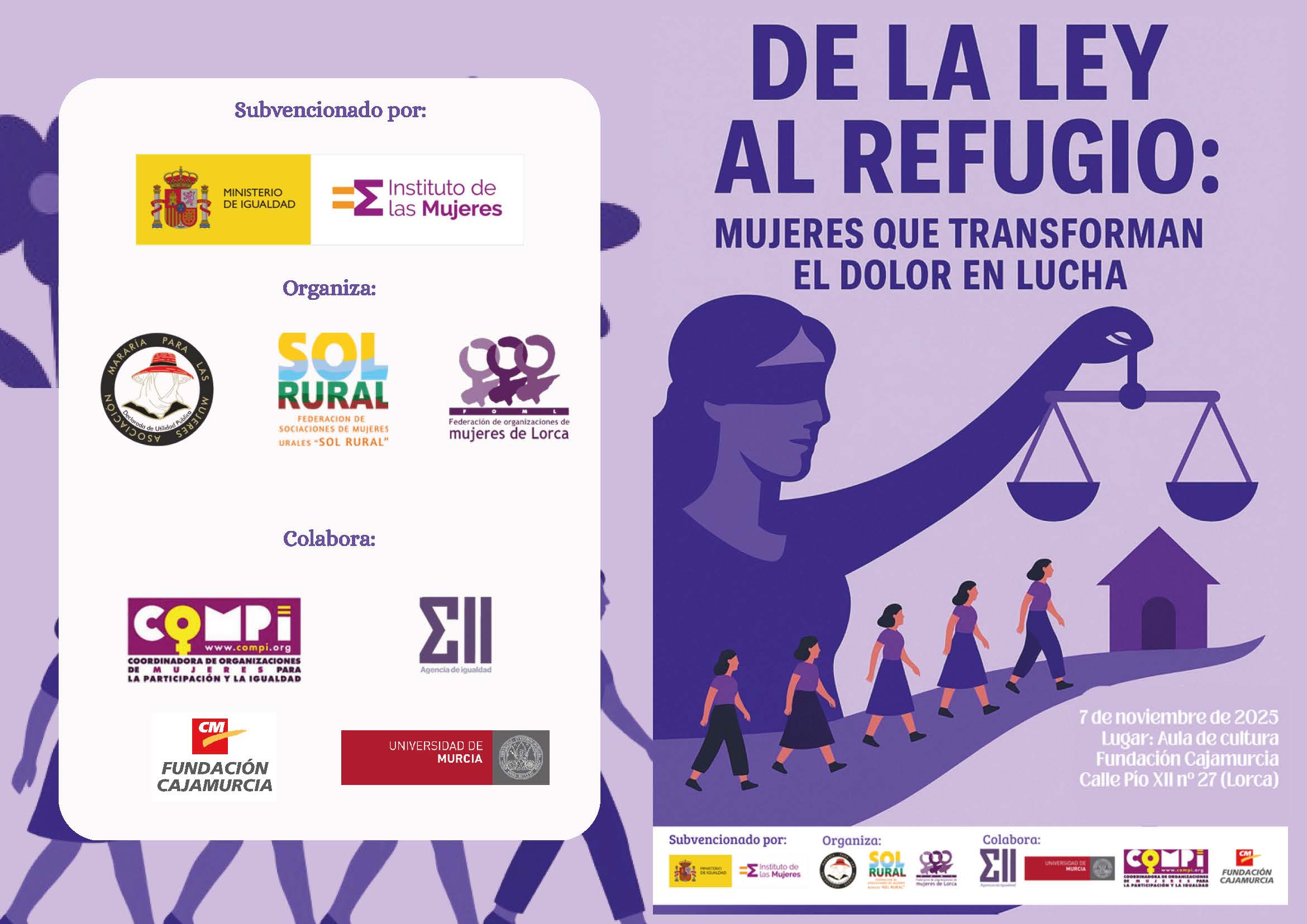
De la Ley al refugio: Mujeres que transforman el dolor en lucha
Aula de Cultura, Fundación Cajamurcia
MURCIA, SPAIN
Aims: sharing feminist strategies, amplifying migrant and refugee women’s voices, highlighting legal progress, and fostering collaboration.
24 – 26 NOV 2025
XXII Semana de la Ciencia y la Tecnología
MURCIA, SPAIN
Gender matters in public transport: Same Fare, Unequal Burden?
We might ride the same bus or tram, but we don’t all pay the same. Your gender, where you live, or whether you care for someone can affect how much transport really costs you. In this workshop, we’ll explore how transport and inequality are connected — and what we can do to make things fairer.
How much are your daily travels really costing you?
Stop by our stand and take part in a quick, fun game to find out if you pay more or less than others to get around. Your job, your neighborhood, or your daily life can make a big difference. Try our profile wheel and express fare calculator — and see what you discover!
02 – 04 OCT 2025
A budgetary well-being index from a feminist approach: the case of public infrastructure
Universidad Pablo de Olavide de Sevilla
SEVILLA, SPAIN
X Congreso de Economía Feminista
Paper: Gloria Alarcón García
22 & 25 SEPT 2025
Well-being and gender budgeting: the case of public infrastructure A background, a methodological approach and a budgetary well-being index from a feminist approach
NAPLES, ITALY
11th International Conference on Social Science MethodologY Paper: Gloria Alarcón García
04 – 05 JUN 2025
Everyday life infrastructure impact on well-being in the European Union: A gender perspective
XIV Congreso de Economía Aplicada, Paper: Gloria Alarcón García, Jose Daniel Buendía Azorín y Mª Del Mar Sánchez De La Vega.
30 MAY 2025
Delivery of the Report on Public Transport Fares with a Gender Perspective,
ITTG, BCN 2025, Barcelona City Council
BARCELONA, SPAIN
Research Workshop
12 FEB 2025
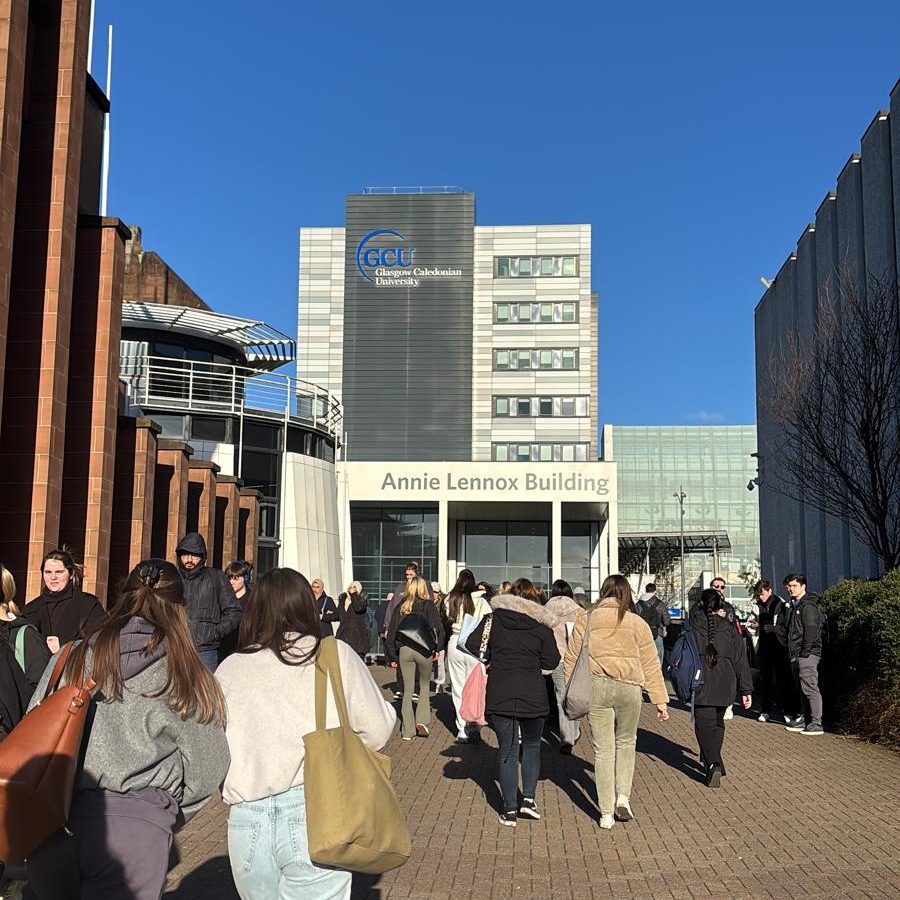
A Gendered Well-being Methodology Merging CA and SWB: The WIGI index
Social Science Research Forum and WISE, Glasgow Caledonian University, GCU
SCOTLAND, UK
Masterclass
02 FEB 2025
Everyday life infrastructure impact on well-being in the European Union: a gender perspective
Social Science Department and WiSE Centre Seminar, Glasgow Caledonian University, GCU, SCOTLAND,UK
Research Workshop

Feminist Infrastructure from a Gender Perspective
(Interview with Gloria Alarcón)

Our research argues that this intersection, between budgetary planning and multidimensional gendered well-being, opens a path for more just and effective public investment strategies in Europe
This is particularly relevant in the current context of the European post-pandemic recovery, ecological transition, and renewed debates on care infrastructure
The research of this european network is highly innovative in multiple respects
-
The research developed by the EuWIGeN is grounded on 2010 in feminist economics but also contributes to expanding its methodological frontiers by integrating empirical tools and evaluative criteria that link macro-level budget decisions with micro-level well-being outcomes

1
A new budgetary indicator goes beyond GDP by combining the Capability Approach (CA) and Subjective Well-Being (SWB), bridging two paradigms often viewed as opposed
2
It highlights public infrastructure expenditures as a critical yet often overlooked dimension of gender budgeting, bringing greater visibility to their impact on equality and development

3
It operationalises a gendered well-being indicator aligned with recent OECD proposals for feminist and well-being-oriented public finance
By positioning infrastructure within the framework of SDG5 (Gender Equality) and SDG9 (Infrastructure, Industry and Innovation)
The EuWIGeN contributes to rethinking how public finance can be mobilised to advance substantive gender equality and territorial equity

 EuWIGeN