XIII Workshop on Public Policy and Gender
University of Murcia
The workshop will address infrastructure for everyday life from a broad perspective, encompassing both physical infrastructure, such as public transport, streets, street lighting, parks and pedestrian areas, and social, healthcare, educational, cultural and care services. The content will incorporate contributions from feminist economics, urban planning, sociology, public policy evaluation and well-being studies, with particular attention to everyday mobility, time use, physical and mental health, violence against women, long-term care and territorial inequalities.
The workshop will also present new tools for measuring the impact of infrastructure beyond conventional economic indicators, particularly through the combination of the capabilities approach, subjective well-being and the WIGI Index.
This activity is part of the research project “Infrastructure for Everyday Life from a Feminist Well-being Economics Perspective” (PID2022-141305OB-I00), funded by the Ministry of Science, Innovation and Universities and the Institute of Women, Ministry of Equality, under File No. 18-2act-26, submitted for the 2026 grant scheme supporting postgraduate programmes in feminist and gender studies and university activities related to equality. It also forms part of the scientific activities of the international EuWIGeN network, coordinated by the University of Murcia.
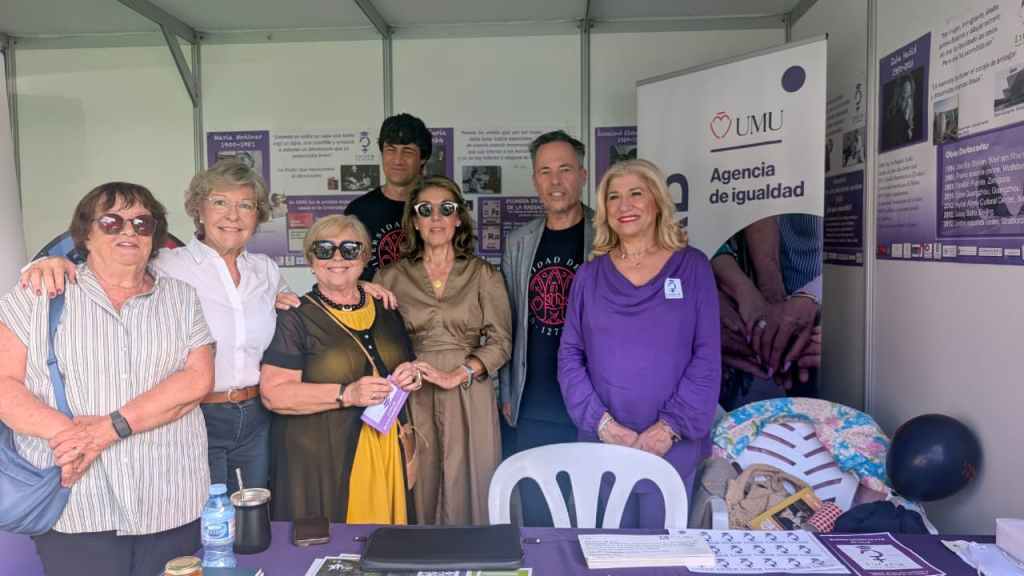
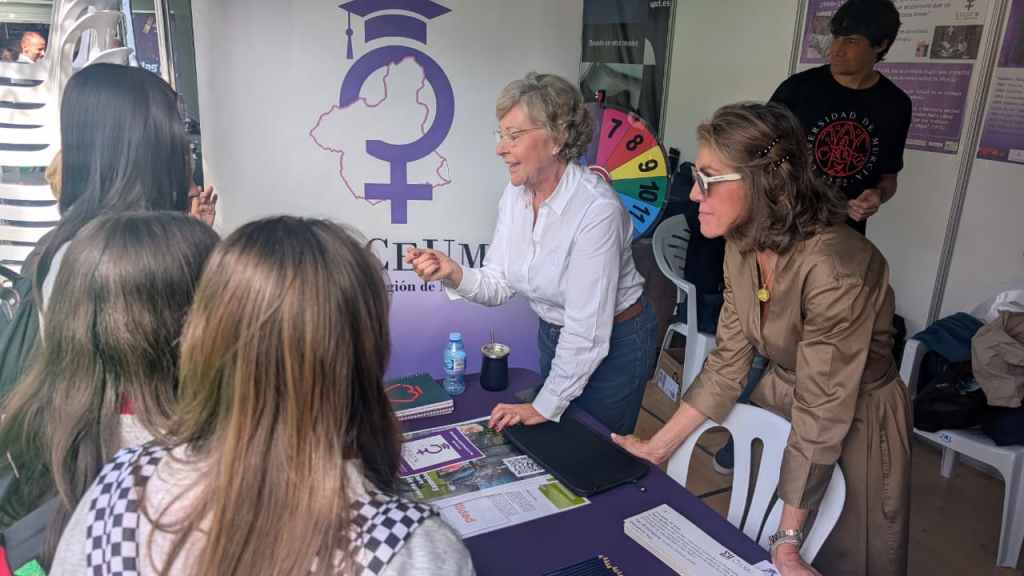
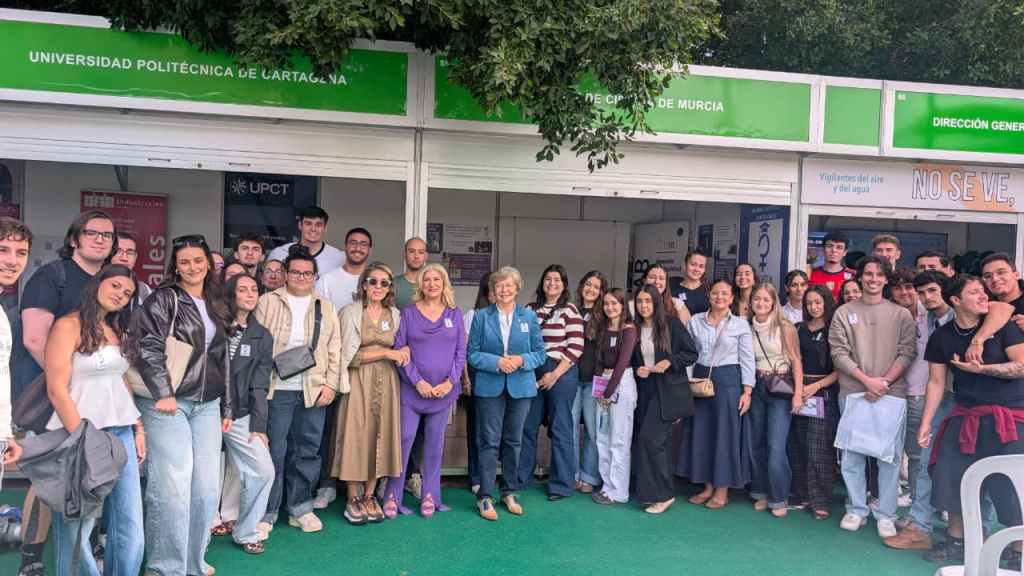
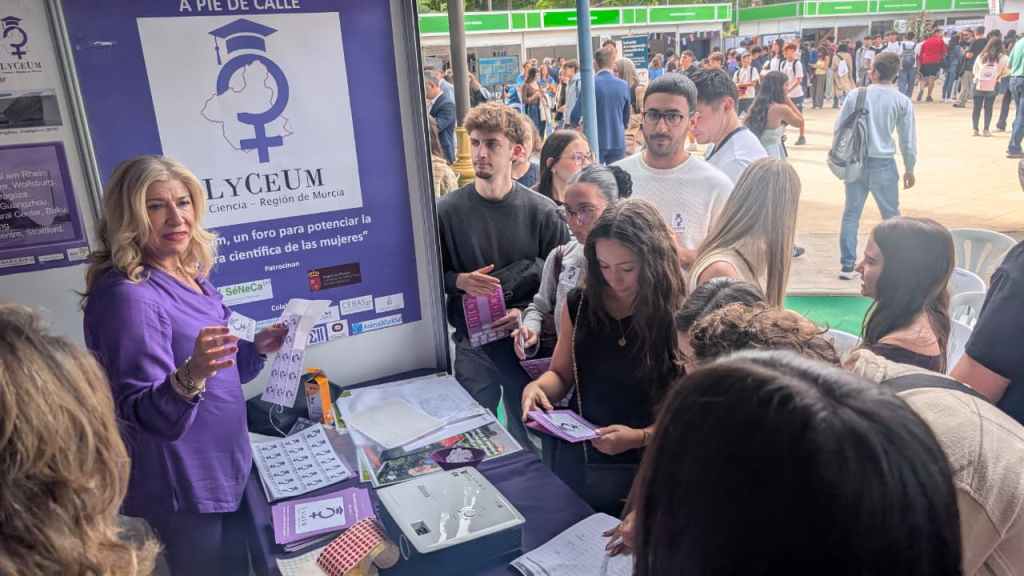
And You, How Much Do You Pay to Get Around? The Caring City Is Also Designed Through Fares
Lyceum and University of Murcia
Do We All Pay the Same to Get Around? Gender and Public Transport Fares
- Did you know that not everyone pays the same to travel, even when using the same bus or tram?
- And that transport fares can unintentionally be unfair depending on who uses them—whether women or men—based on the tasks they routinely carry out?
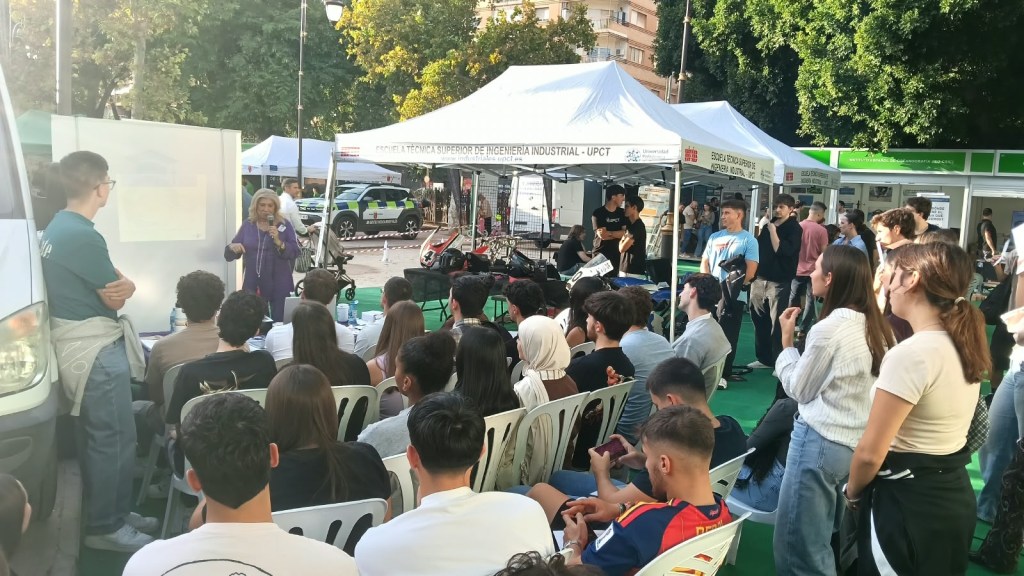
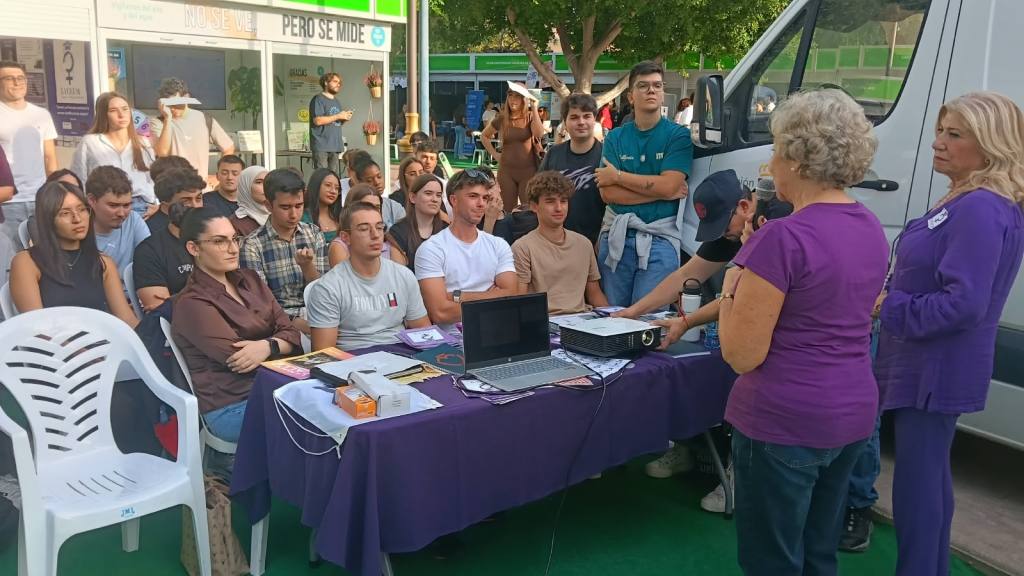
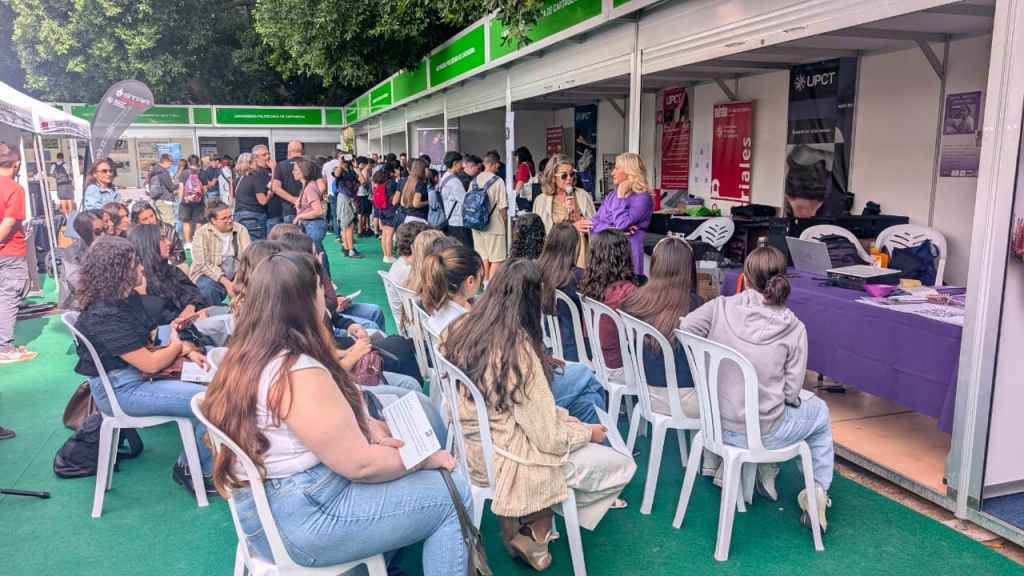
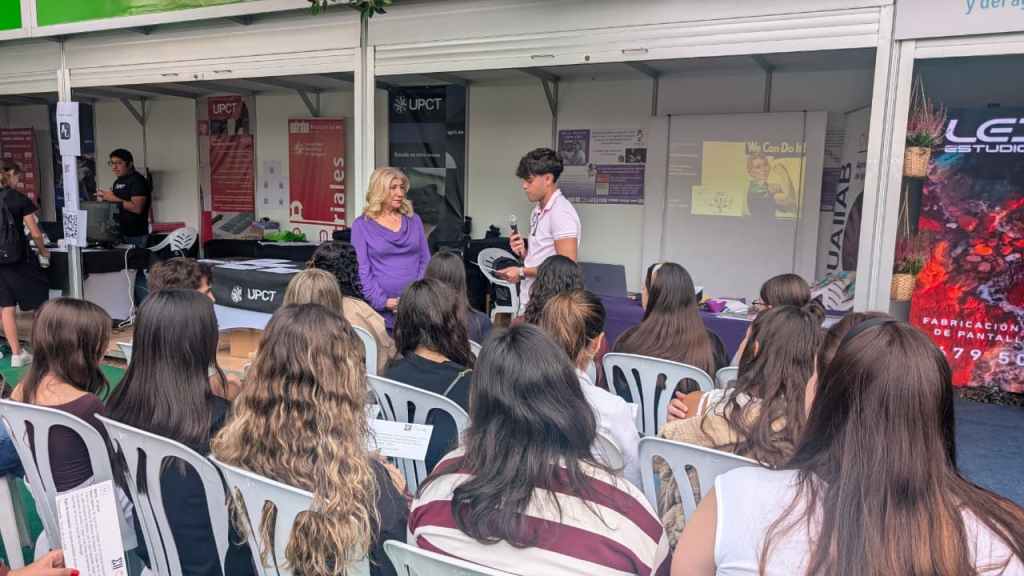
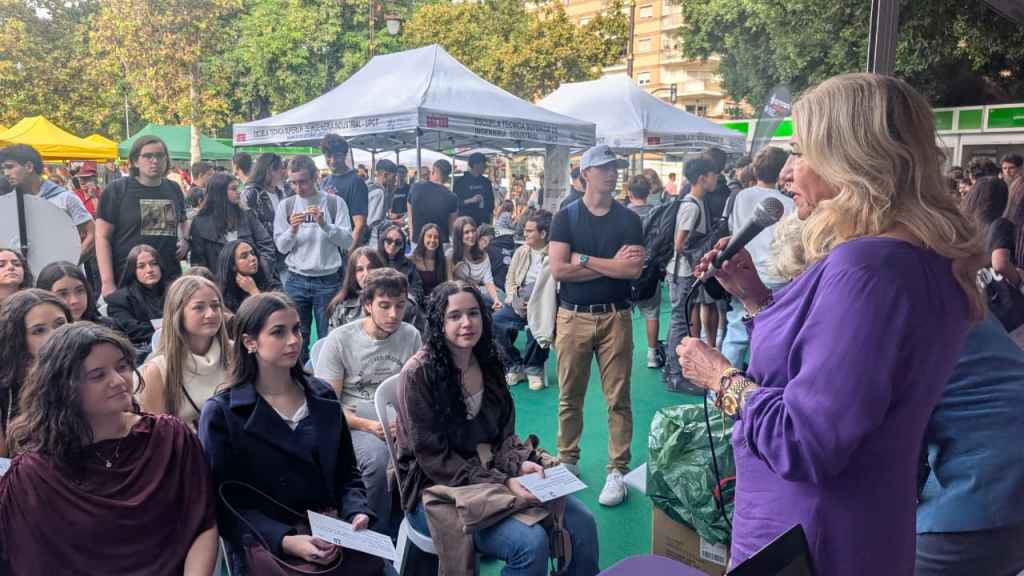
In this workshop, we will discover how gender, where you live, or whether you care for others impact how much it costs you to move around Murcia. Through real-life examples and a participatory dynamic, we will analyze together how fares could be made fairer for everyone. Join us to investigate, debate, and propose!
Based on recent research on fares and mobility from a gender perspective in the Barcelona Metropolitan Area conducted for the Barcelona City Council, this activity proposes a participatory workshop adapted to the context of Murcia city and the Region of Murcia. It will analyze whether current public transport fares (urban and interurban) generate differentiated effects based on sex, economic situation, or caregiving work. Through an informative presentation, a trajectory simulation dynamic, and a final debate, collective reflection on fare equity and social justice in everyday mobility will be encouraged.
OBJECTIVES
- Accessible dissemination of scientific research results on fares and gender in the Barcelona Metropolitan Area.
- Application of the research approach to the case of Murcia city and the Region of Murcia.
- Raising awareness of inequalities in public transport access based on gender, income, and place of residence.
- Fostering citizen proposals for a fairer fare policy.
- Total Duration: 1 hour and 30 minutes
- Target Audience: Undergraduate students in their 4th year of Economics (GECO), Faculty of Economics and Business, University of Murcia (Workshop «Public Policies and Gender, 2025»).
ACTIVITY DEVELOPMENT
- Introduction (15 min): Brief explanation of what a fare is and why it is relevant as a scientific research topic.Presentation of results from the Barcelona Metropolitan Area case: detected inequalities.
- Adaptation to Murcia (20 min): Explanation of the fare system in Murcia city (Tram, Latbus, university pass,etc.) and interurban transport in the Region. Specific challenges and obstacles in the Murcian context.
- Participatory Dynamic (30 min): Simulation of daily trajectories with diverse profiles (woman/man, student,caregiver, elderly person, resident in outlying districts/pedanías, etc.). Estimation of monthly expenses. Debate on perceptions of fairness or unfairness.
- Collective Debate and Proposals (20 min): Guiding questions: What type of fare would be fairer? What role do economics and law play in these decisions? What data is missing?
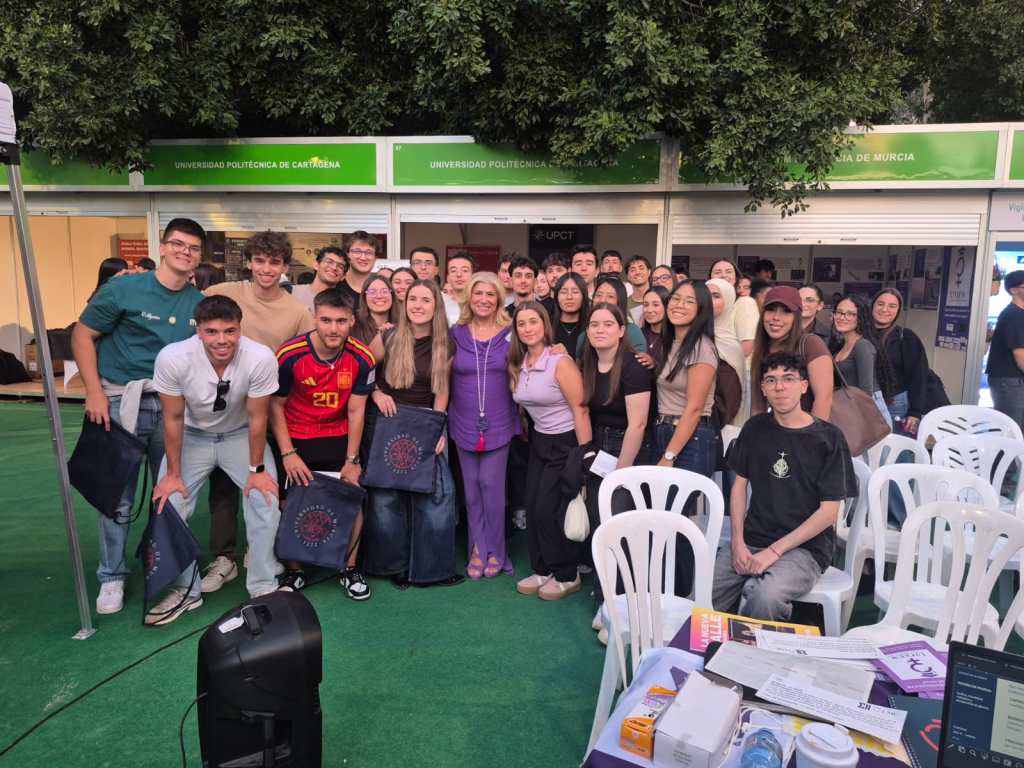
- Closing (5 min): Conclusions and delivery of informative material (infographic or summary of proposals).
And You, How Much Do You Pay to Get Around? Express Game on Fares and Inequalities
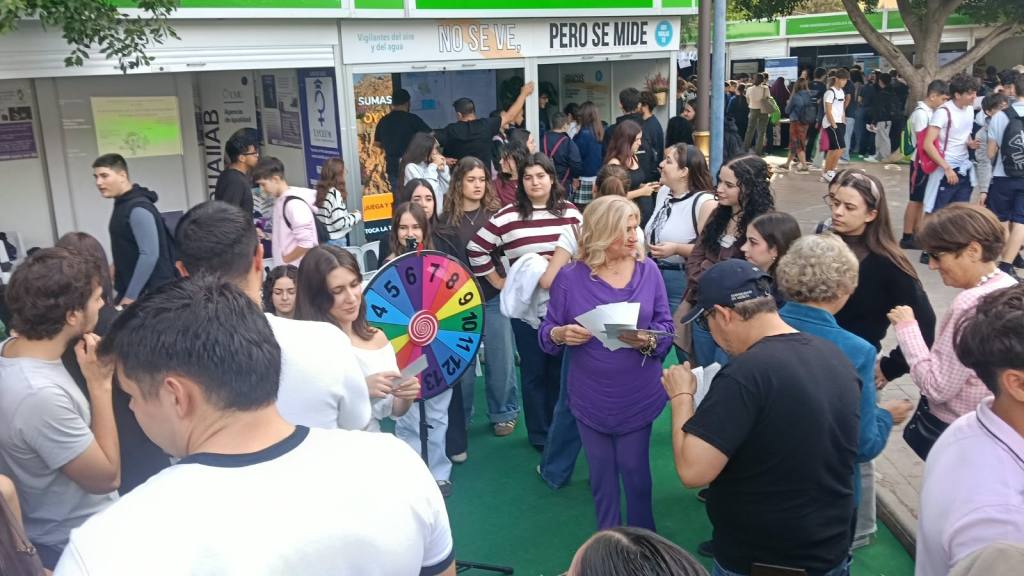
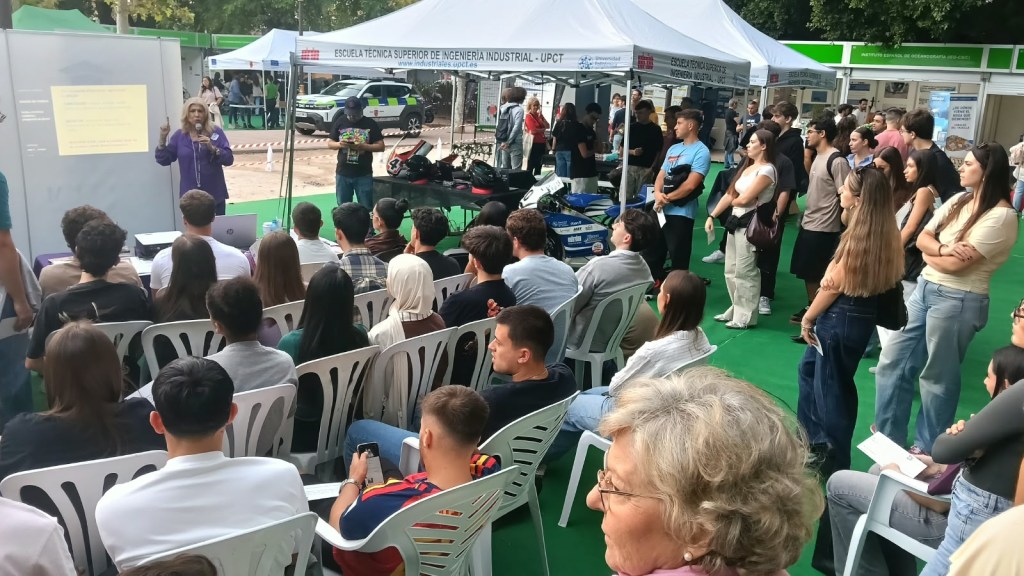
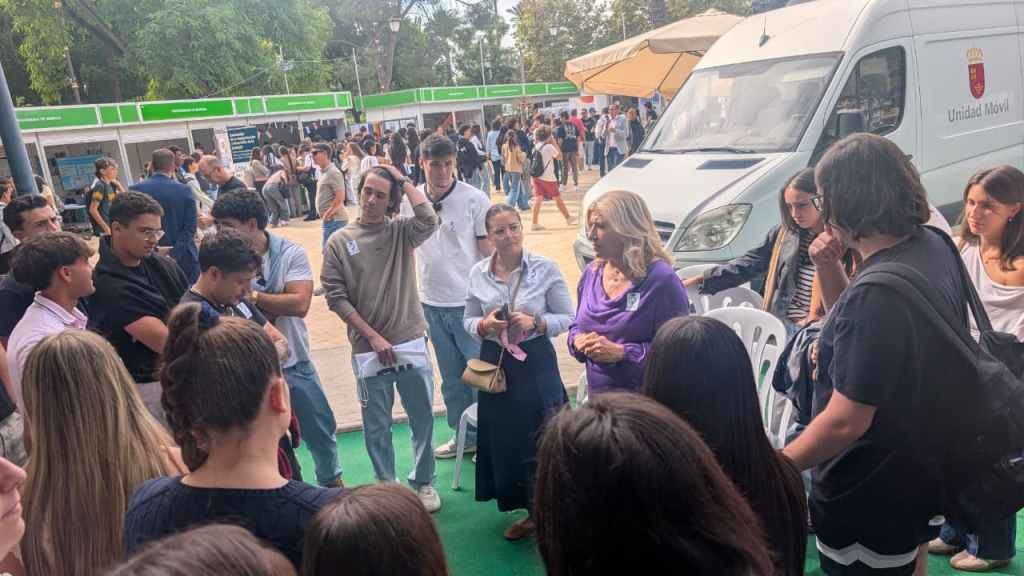
In this walk-in activity at the stand, visitors can participate in an interactive game to calculate how much it costs them to travel based on their place of residence, occupation, and responsibilities. Through a «profile wheel,» real maps, and an express monthly transport expense calculator, they will discover whether they pay more or less than others to travel.Additionally, they will be able to leave their own proposals to achieve a fairer fare system. A fun and visual way to talk about economics, gender, and social justice in mobility.
OBJETIVES
- Bring science closer to the general public through a brief and engaging experience.
- Visualize hidden inequalities in the transport fare system.
- Raise awareness about the influence of gender, residence, or care work on access to mobility.
- Collect citizen proposals for improving public fares.
ACTIVITY DEVELOPMENT
- Participants spin a profile wheel and adopt a role (e.g., caregiving mother from Beniel, student from central Murcia, pensioner from an outlying district, young worker in the suburbs, etc.).
- They check the real-route map for the distance to their daily destination (university, work, hospital, etc.).
- Using the express calculator, they estimate the monthly expense for that route under the current fare system.
- They compare with other profiles and reflect: Do they pay more or less? Is it fair? What would they change?
- They leave their opinion or proposal on the Idea Wall for Fairer Fares.
- Duration: 5 to 10 minutes per person or group
- Target Audience: All audiences: families, young people, seniors, casual visitors. No prior knowledge required.Suitable for ages 10–12 and up.
ORGANIZATION & METADATA
- Person in Charge: Gloria Alarcón García, Lyceum and Faculty of Economics and Business, University of Murcia.
- Collaborators: Jose Manuel Mayor Balsas, Diego Peñarrubia Blasco (Faculty of Economics and Business,University of Murcia) and Laura López Gómez (School of Tourism, affiliated center to the University of Murcia).
- Project Linkage: Activity linked to Research Project PID2022-141305OB-I00, INFRASTRUCTURES FOR EVERYDAY LIFE FROM THE FEMINIST ECONOMICS OF WELL-BEING, 2022 Call «KNOWLEDGE GENERATION PROJECTS», State Program to Push Scientific-Technical Research and its Transfer, State Plan for Scientific, Technical and Innovation Research 2021-2023.
- Schedule: 24/10/2025 | 10:00 – 21:00
- Audience: High school / Vocational training students, University students, General public
- Type: Exhibition, Scientific or technical explanation (with panels/images), Workshop (active public participation required)
- Area: Social Sciences, Economics, Law
- Booking required: No